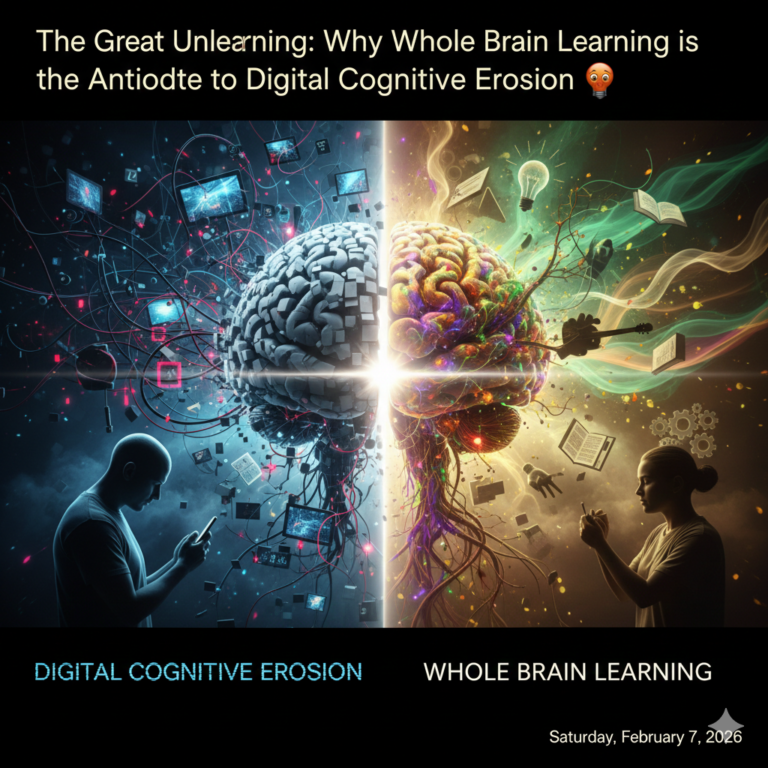
The Powerful Return to “Digital Sobriety”: How Denmark is Reclaiming Scholastic Success in 2026

From Screens to Scholastic Success: Denmark’s Bold Return to “Digital Sobriety”
Denmark, a country long celebrated as a digital pioneer, is making a dramatic 180-degree turn in its approach to technology in education [1, 2]. After a decade of prioritizing all-digital learning, a new ritual has taken hold in Copenhagen schools: every morning, students now place their mobile phones into a locked box before class begins [1].
Why the Shift? Reclaiming Concentration
The primary driver behind this movement is the realization that screens have become a significant barrier to learning. Educators have noted that when students use tablets or computers, it is far too easy to swipe into a video game or other distractions during lessons [1]. Consequently, physical textbooks are making a major comeback to help students who have struggled to concentrate in a digital-first environment [1].
While computers are still part of the curriculum, they are now used sparingly and under strict supervision [1]. This balance is being welcomed by students, some of whom have expressed a renewed love for the tactile experience of writing and reading without the constant pressure of screen time [1].
The Impact on Mental Health and Social Life
The push for “digital sobriety” is not just about grades; it is a response to alarming data regarding youth well-being [2]. Teens in Denmark spend an average of five and a half hours a day on their phones, a habit that the children’s well-being commission links to worsening mental health [2].
Experts argue that excessive social media use strips away “protecting factors” by taking time away from physical social interaction [2]. In sports clubs and youth centers, phones are being banned to prevent:
- Energy Drops: The presence of a phone can cause the collective energy of a room to plummet [3].
- Outgrouping: Phones often lead to individuals being socially excluded, which is detrimental to a healthy social environment [3].
- Distraction: Even a quick check of a notification can turn into a 10-minute waste of time that could have been spent on physical activity [2, 3].
A National Wake-Up Call
This shift is becoming a collective effort across Danish society. A national “no phone day” was organized to encourage adults to set a better example for the younger generation, with 10% of the population participating [4]. Many young people are also taking personal initiative by deleting social media or setting strict daily limits on their usage [3, 4].
The momentum is moving toward legislative action. A citizens’ initiative has gathered over 50,000 signatures calling for a ban on platforms like TikTok, Instagram, and Snapchat for those under 15 [4]. This move is mirrored at a broader level, as the European Parliament is now backing similar social media restrictions for under-16s across the entire EU [5].
Looking Ahead
Denmark is effectively going back to basics to ensure the next generation is not “lost in the digital space” [4, 5]. By prioritizing physical presence and focused learning, they are setting a new standard for how modern societies might manage the paradigm shift of the digital age [5]. As one expert noted, the goal is to provide children with better conditions for growing up than the current generation, who were essentially part of an unplanned digital experiment [4, 5].
OUR TAKE: WHY THE FUTURE OF LEARNING IS HUMAN
At Abhidnya Learning Spaces, we believe we are at a turning point. For too long, education has been part of an “unplanned digital experiment” that has left a generation struggling with fragmented attention and rising anxiety. Denmark’s shift toward Digital Sobriety isn’t a step backward; it is a bold leap toward reclaiming what truly matters: the human connection.
We stand with the movement to restore balance because:
- Attention is Sacred: By reintroducing physical textbooks and limiting screen-based distractions, we allow students to rediscover the “tactile love” of reading and deep concentration.
- Presence is Power: Digital sobriety isn’t just about banning phones; it’s about preventing “energy drops” and social exclusion, ensuring that the collective energy of a classroom remains vibrant and inclusive.
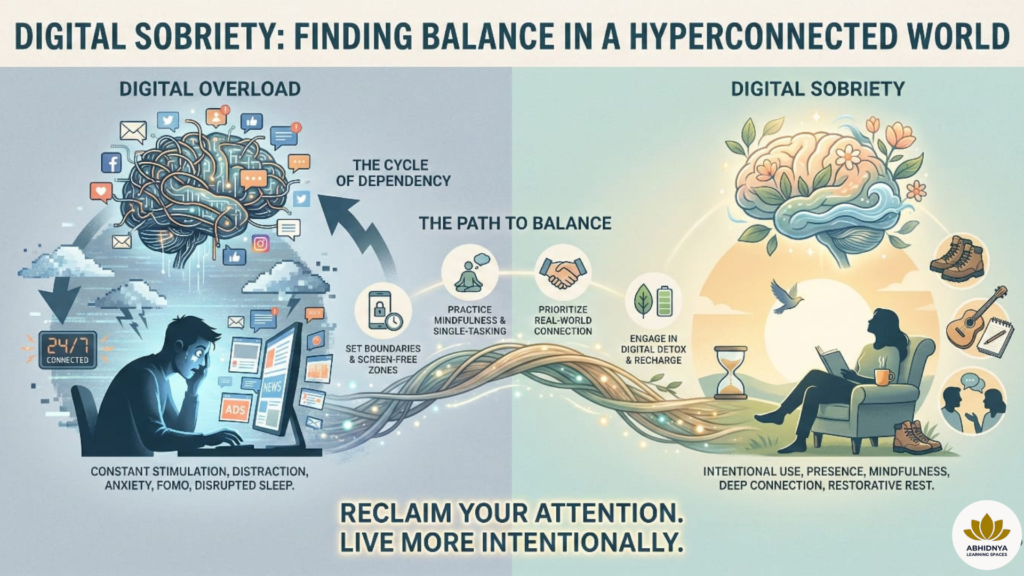
- Intentionality over Dependency: We move away from a “cycle of dependency” and toward “intentional use,” where technology serves the learner—not the other way around.
Denmark is setting a new standard by prioritizing physical presence and restorative rest. We embrace this model wholeheartedly. In a world of digital overload, we choose to prioritize the well-being of the youth, moving from screens back to scholastic success.
Because at the end of the day, The Future of Learning is Human.